Symptoms
The condition may be silent or may show up as recurrent infections:
- Painful swelling and redness at the tailbone
- Bloody or pus-like discharge from small openings
- Pain that increases when sitting
- Fever and fatigue when an abscess develops
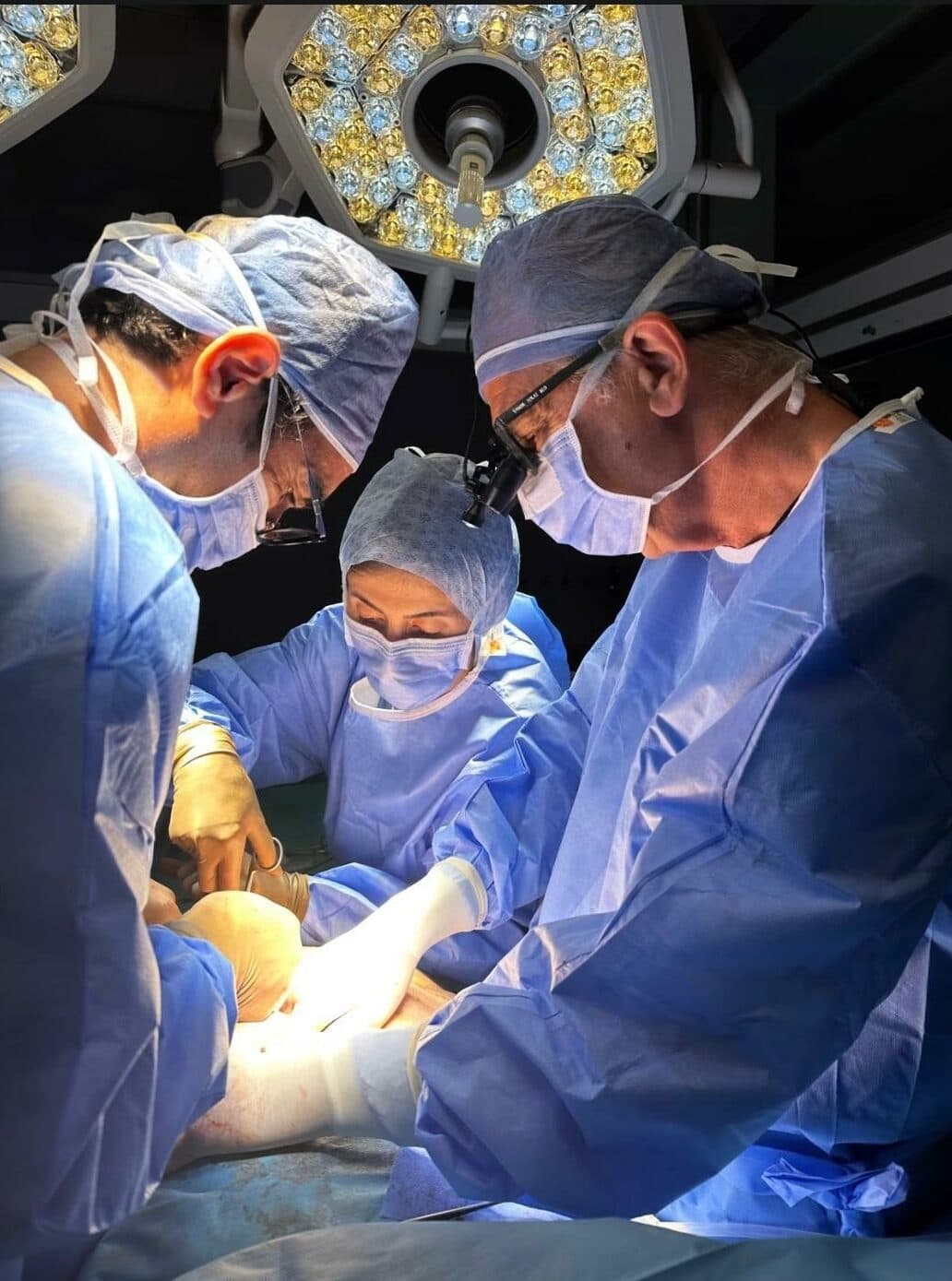
A pilonidal sinus is a chronic infection caused by hairs penetrating the skin at the tailbone. It is especially common in young men.
The condition may be silent or may show up as recurrent infections:
Heavy body hair, sitting for long hours at work, excess weight, sweating and poor hygiene in the area increase the risk. The condition often appears during periods of desk work or prolonged sitting.
In patients with an abscess, the infection must first be drained. Once the infection has settled, surgery is planned to remove the sinus tracts completely and prevent recurrence.
Flap techniques such as the Karydakis and Limberg flap aim to reduce the risk of recurrence by moving the wound away from the midline. The suitable technique is chosen according to the extent of the disease.
Keeping the area clean and dry after surgery, removing hair from the area and avoiding prolonged sitting lower the risk of recurrence. Most patients return to normal life within a few weeks.
Medication can temporarily suppress the infection, but as long as the sinus tracts remain, the condition often comes back. The lasting treatment is usually surgery.
The recurrence rate is low after flap surgery performed with a suitable technique. Removing hair from the area and good hygiene reduce the risk of recurrence further.
Content prepared by Assoc. Prof. Dr. Ümit Sekmen.
The information on this page is for general educational purposes only. A medical examination by a physician is always required for diagnosis and treatment.
Let's discuss your surgical decisions with clear information and proper clinical assessment.