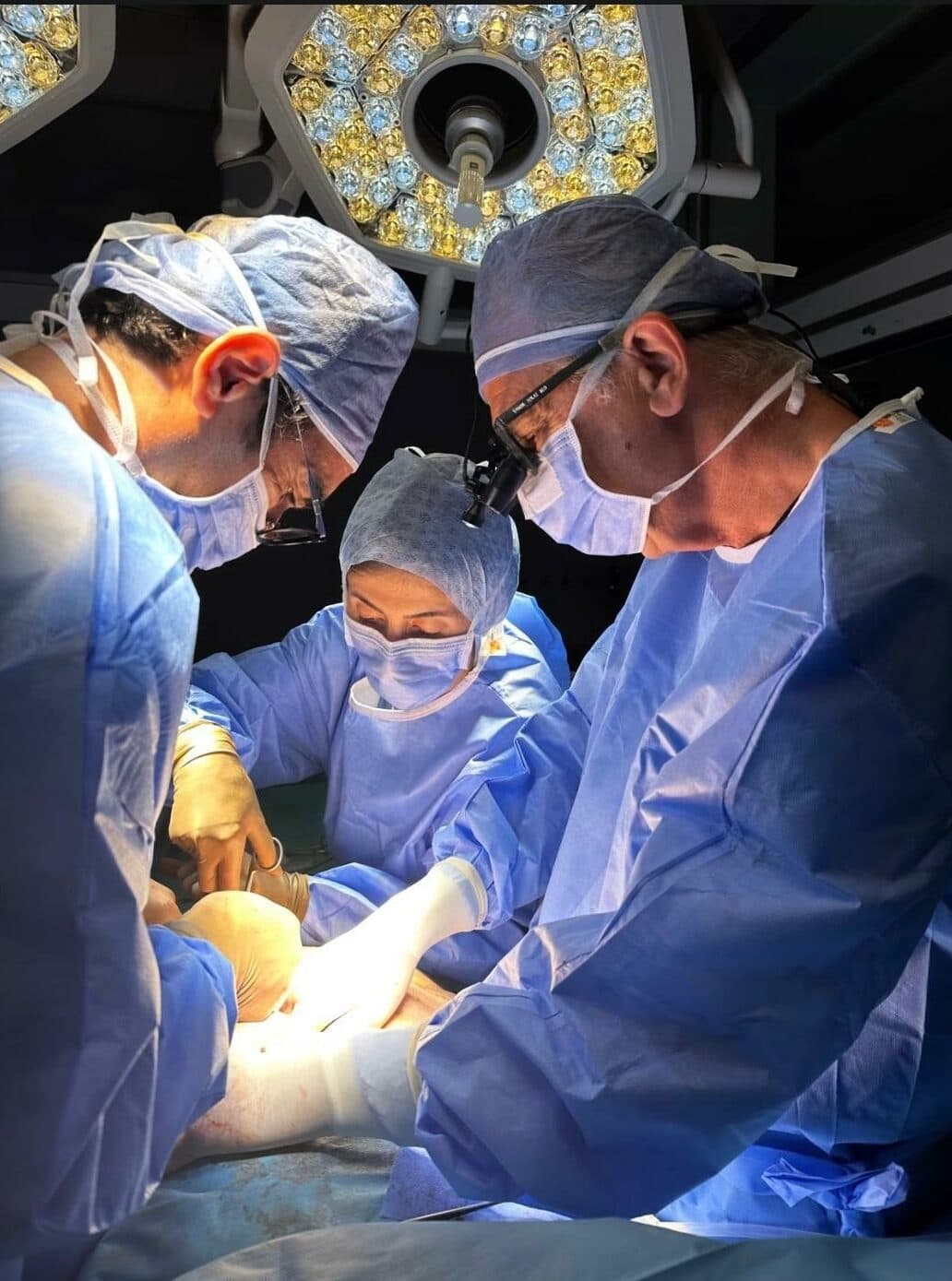
Assoc. Prof. Dr. Ümit Sekmen

Hemorrhoids (Piles)

Hemorrhoids (piles) are swollen vascular cushions in the anal area that enlarge or prolapse outside. They are very common; most patients improve with medication and lifestyle changes, while advanced stages may need surgery.

Symptoms

The most common complaints with hemorrhoids are:

  • Bright red bleeding during or after a bowel movement
  • A swelling that protrudes from the anus
  • Itching, burning and a feeling of wetness
  • Sudden severe pain and a hard lump in thrombosed hemorrhoids

What causes them?

Constipation, prolonged straining, sitting on the toilet for a long time, a low-fiber diet, pregnancy and heavy lifting make hemorrhoids more likely to develop.

Rectal bleeding can also be a sign of conditions other than hemorrhoids, such as an anal fissure or colon cancer, so it should always be examined.

Treatment by stage

Internal hemorrhoids are graded in four stages according to the degree of prolapse. Treatment is chosen according to the stage and the severity of symptoms.

  • Stage 1–2: a high-fiber diet, plenty of water, stool softeners, sitz baths and creams
  • Stage 2–3: office procedures such as rubber band ligation
  • Stage 3–4: hemorrhoidectomy or stapled hemorrhoidopexy (Longo) surgery
  • Thrombosed hemorrhoid: drainage of the clot at the appropriate time

After surgery

In the first days after surgery, pain control, keeping the stool soft and warm sitz baths help healing. Most patients return to daily life within a short time.

Frequently asked questions

Can hemorrhoids go away without surgery?

Most early-stage hemorrhoids can be controlled with dietary changes, medication and office procedures. For advanced hemorrhoids that constantly prolapse and bleed, surgery gives a more lasting result.

Is rectal bleeding always caused by hemorrhoids?

No. An anal fissure, a polyp or colon cancer can also cause bleeding. For this reason, an examination and, if needed, a colonoscopy are recommended for rectal bleeding, especially over the age of 40.

Content prepared by Assoc. Prof. Dr. Ümit Sekmen.

The information on this page is for general educational purposes only. A medical examination by a physician is always required for diagnosis and treatment.

Related area of expertiseSurgical Procedures

Plan the first step for surgical evaluation.

Let's discuss your surgical decisions with clear information and proper clinical assessment.