01
Patient-centered oncologic surgery planning
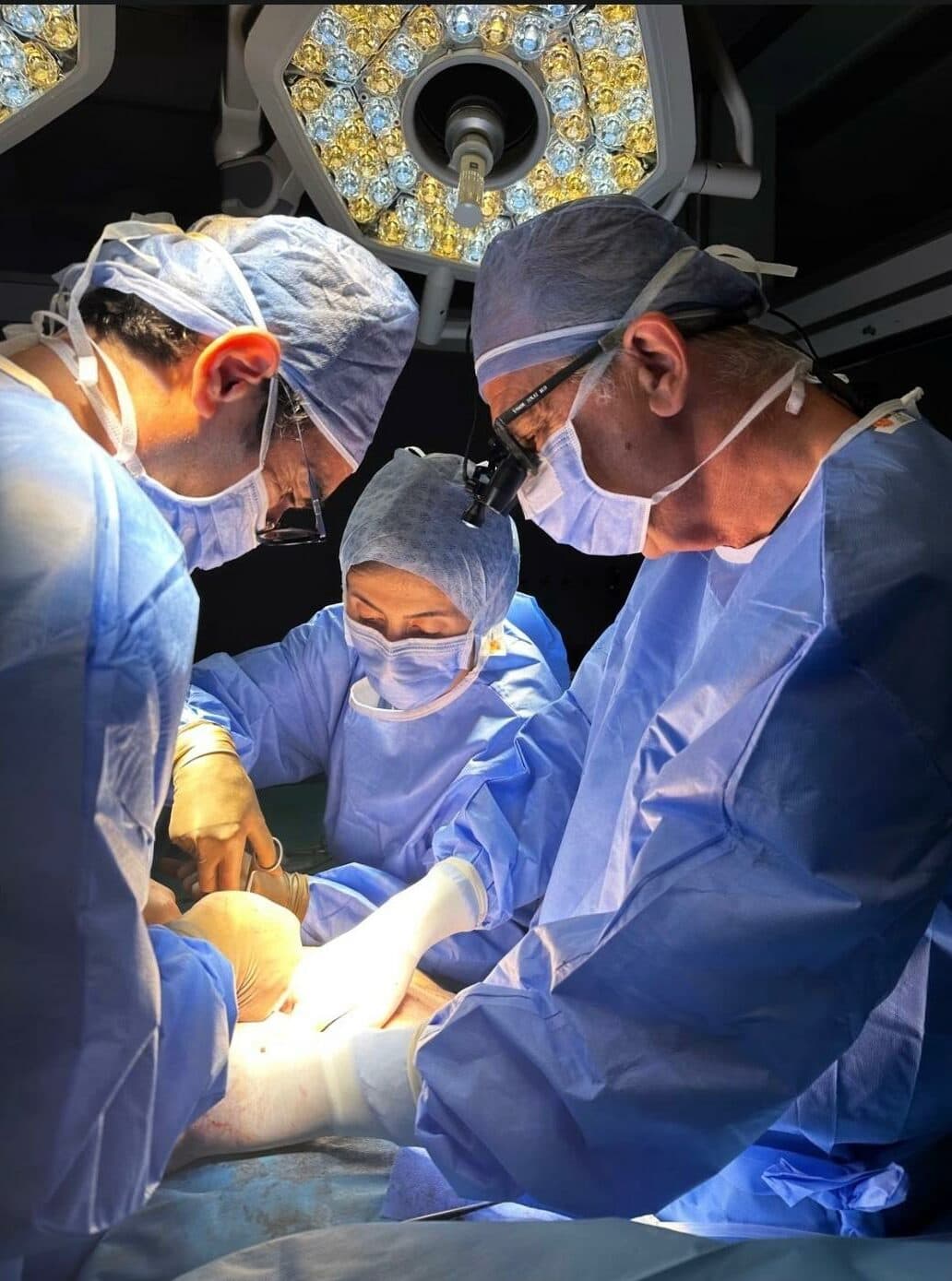
Surgical oncology evaluates tumor location, spread, the patient's general condition and the treatment team's plan together.
The process centers patient safety and comfort from consultation to recovery.
Oncologic Surgery
Surgical evaluation with a multidisciplinary perspective, aligned with cancer diagnosis, staging and treatment planning.

01
Consultation
02
Surgical Plan
03
Follow-up

The surgical decision is planned by evaluating clinical data and patient expectations together.
01
Surgical oncology evaluates tumor location, spread, the patient's general condition and the treatment team's plan together.
The process centers patient safety and comfort from consultation to recovery.
02
For suitable patients, minimally invasive methods may provide a controlled surgical field with smaller incisions.
Open surgery may be required for large or complex tumors.
03
For patients arriving from abroad, appointment, test, operation and follow-up steps are organized in a clear plan.

Service Summary
A surgical approach aligned with diagnosis, staging and the overall cancer treatment plan.

Service Summary
Personalized surgical evaluation for liver and hepatobiliary system diseases.

Service Summary
Safe, planned and patient-centered management of general surgery procedures.
Diagnosis, surgical suitability, operation planning and follow-up are gathered into one clear roadmap.

01 / Initial Consultation
Symptoms, previous tests and imaging are gathered for preliminary evaluation. The aim is to clarify the clinical need and determine the right surgical direction.

02 / Surgical Plan
The surgical decision is discussed together with diagnosis, risks, alternatives and recovery. Clear communication and patient safety remain central.

03 / Coordination
Appointments, hospital processes, postoperative controls and communication steps are handled in an organized flow.
Review the most common questions before surgical evaluation in a clear and concise format.

Tumor location, stage, general health and the multidisciplinary plan are key parts of surgical decision-making.

Functional liver reserve, lesion location and postoperative follow-up needs directly affect surgical planning.

Minimally invasive methods are not suitable for every patient; the decision depends on disease type and clinical status.

Diagnosis, expected benefit, possible risks, recovery time and the follow-up plan should be discussed clearly.
Contact
Let's discuss your surgical decisions with clear information and proper clinical assessment.
Contact us