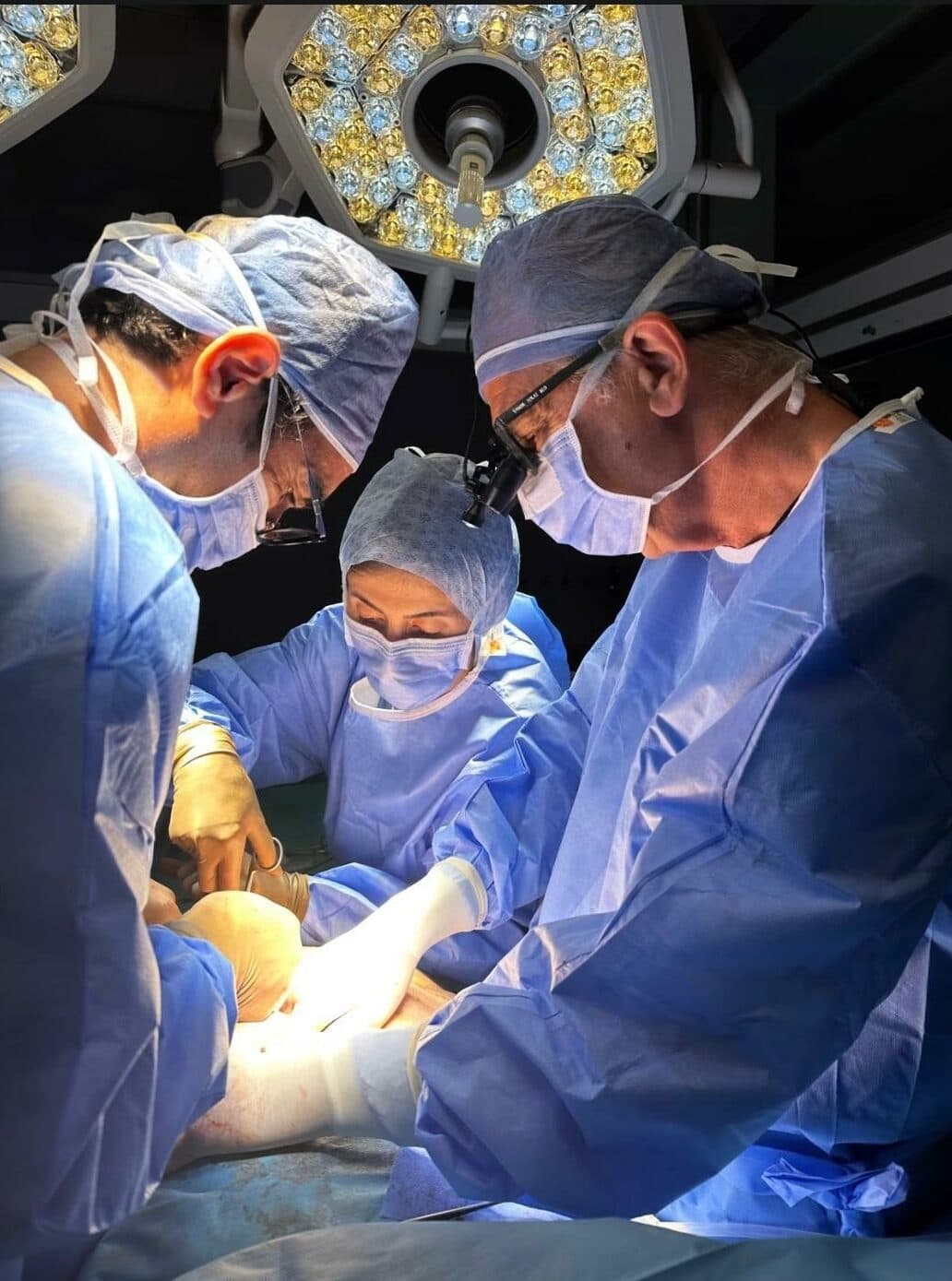
Assoc. Prof. Dr. Ümit Sekmen

Anal Fissure

An anal fissure is a tear in the thin skin lining the inside of the anal canal. The most typical symptom is sharp, burning pain during and for hours after a bowel movement. In the early stage it often heals with medication.

Symptoms

The symptoms of an anal fissure are often mistaken for hemorrhoids:

  • Sharp, glass-like pain during a bowel movement
  • Burning and muscle spasm that last long after a bowel movement
  • A small amount of bleeding on toilet paper or on the stool
  • In a chronic fissure, a small skin tag at the anal opening (sentinel pile)

What causes it?

Hard stools, constipation or prolonged diarrhea can strain the anal canal and cause a tear. The pain makes the anal muscle (internal sphincter) spasm, and the spasm reduces blood flow to the wound and delays healing. This vicious cycle is the main reason a fissure becomes chronic.

Treatment

For acute fissures, a high-fiber diet, plenty of water, stool softeners, warm sitz baths and muscle-relaxing creams are often enough.

For chronic fissures lasting longer than six to eight weeks, botulinum toxin (Botox) can be injected into the sphincter muscle. Botox temporarily relaxes the muscle and gives the fissure a chance to heal. In patients who do not respond, lateral internal sphincterotomy surgery may be performed.

  • A high-fiber diet and stool softeners
  • Muscle-relaxing creams
  • Botulinum toxin (Botox) injection
  • Lateral internal sphincterotomy

Frequently asked questions

How is Botox given for an anal fissure?

Botulinum toxin is injected into the anal muscle with a fine needle in a short procedure. The muscle relaxes for a few months, and the aim is for the fissure to heal during this time. The effect is temporary and does not cause permanent muscle damage.

Is an anal fissure the same as hemorrhoids?

No. A fissure is a tear in the anal skin and causes marked pain, whereas hemorrhoids are swollen vascular cushions and usually show up as painless bleeding. The difference is made by examination.

Content prepared by Assoc. Prof. Dr. Ümit Sekmen.

The information on this page is for general educational purposes only. A medical examination by a physician is always required for diagnosis and treatment.

Related area of expertiseSurgical Procedures

Plan the first step for surgical evaluation.

Let's discuss your surgical decisions with clear information and proper clinical assessment.